Gear · 4 min read
Smooth Motion: Mastering the Camera Gimbal for Better Video
Learn how to get the most out of your camera stabilizer, from proper balancing techniques to creative cinematic movements.
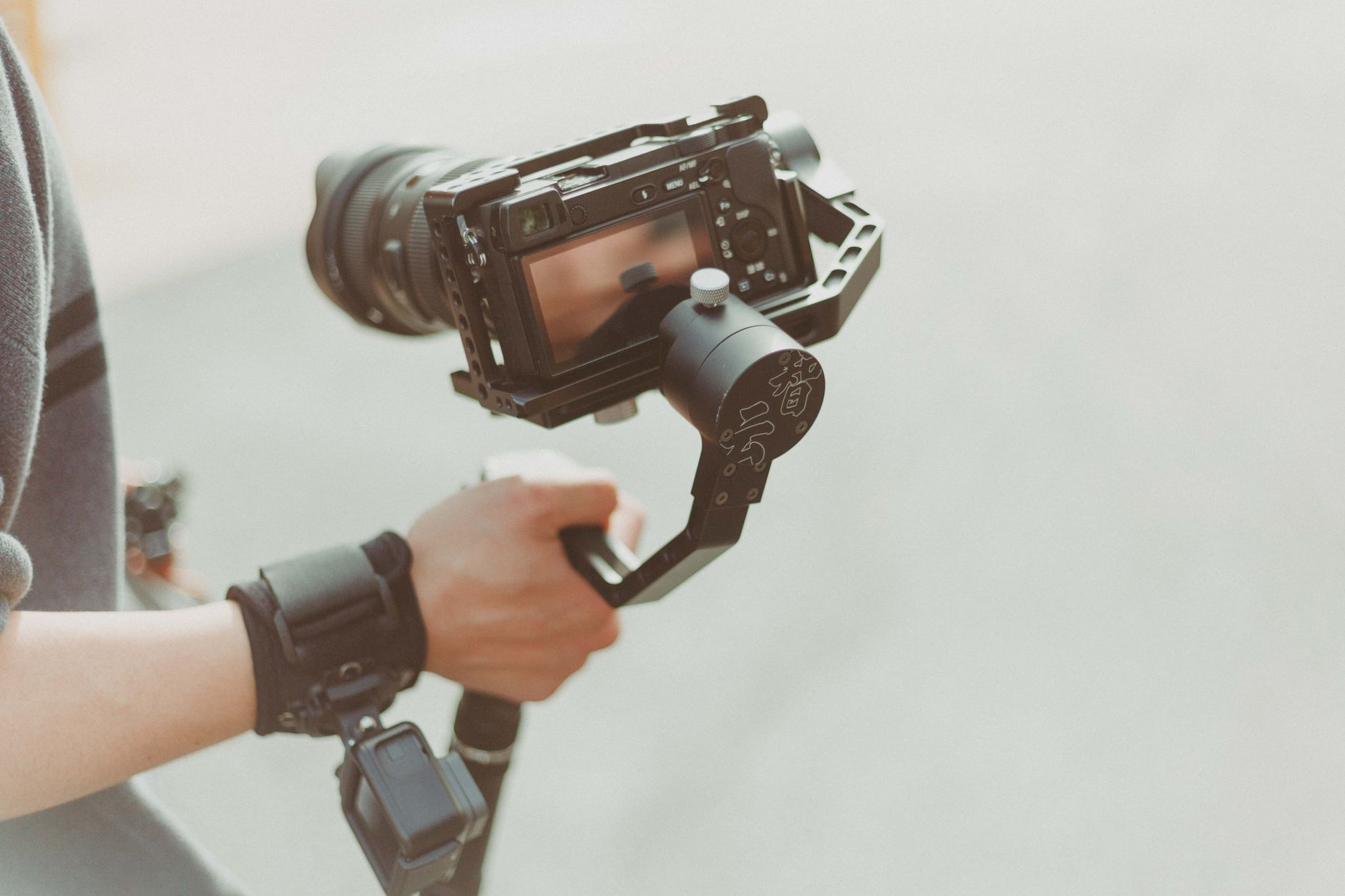
A gimbal is one of the most powerful tools in a modern videographer's kit, transforming shaky handheld footage into smooth, cinematic sequences. However, simply mounting your camera to a stabilizer doesn't guarantee great results; understanding how to balance and move with the gear is essential.
Before turning the motors on, proper physical balancing is crucial. A poorly balanced camera forces the gimbal's motors to work overtime, draining the battery rapidly and potentially causing micro-jitters in your footage. Take the time to balance each axis individually until the camera stays level on its own when powered off.
Once balanced, focus on your physical movement. The classic 'ninja walk'—keeping your knees bent and rolling your feet from heel to toe—helps absorb the vertical movement that even a three-axis gimbal cannot fully eliminate. Combine this physical technique with slow, deliberate pans to elevate your production value.